You’ve Answered This Tender Question Before. Why Are You Starting Again?
Your next government tender will ask for information your business already has. Doreva helps you bring it into the response, spot what’s missing and spend less time starting over.
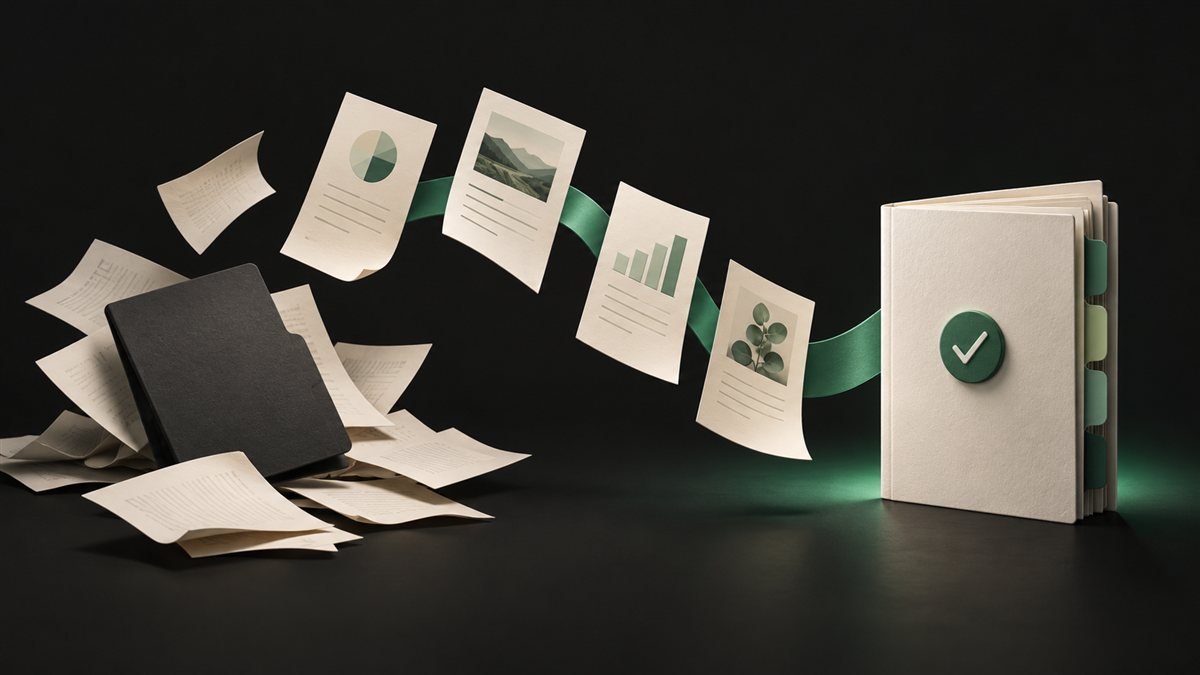
Another tender. Another email asking for the same case study.
Your operations manager has explained the quality process before. Your team has already written up relevant projects. Your company credentials are sitting in a previous submission.
But someone still has to find them, check them and work out which parts answer the new buyer’s questions.
You’ve done the work. You shouldn’t have to recreate it every time you bid.
For Australian SMEs, this is where tender preparation consumes hours that could be spent on pricing, delivery planning and improving the offer.
AI can help draft the response. The bigger opportunity is helping your team use what the business already knows.
The short answer
You can reuse accurate, relevant information from previous tenders, but every new response needs to address the current buyer’s requirements. Check that supporting documents are current, project examples are suitable and proposed commitments can be delivered.
Doreva helps by reading the tender documents, bringing relevant business information into draft answers and flagging information that still needs attention. Your team checks the facts, makes the decisions and approves the response.
The information exists. Finding it is the problem.
Imagine a cleaning company preparing a government facilities management tender.
The buyer asks for relevant experience, safety procedures, quality checks, insurance and staffing arrangements.
The company has delivered similar work for years. It has the people, the processes and the project history.
Then the search begins.
The insurance certificate is attached to an email. The safety policy is in a shared folder. A useful project example is buried in a previous submission. The person who knows the staffing arrangements is on site.
Nobody is starting with an empty business. They are starting with scattered information.
That matters because writing a paragraph about quality assurance is easy. Finding the right procedure, checking that it reflects current practice and explaining how it applies to this contract takes more work.
Doreva helps bring relevant information into the response so the team can spend more time checking the answer and less time assembling it.
What can you reuse from a previous tender?
Much of the information buyers ask for appears across multiple submissions:
- Company background and core services
- Relevant project experience
- Staff qualifications and responsibilities
- Safety and quality procedures
- Licences, certifications and insurance
- Delivery methods and reporting arrangements
Reusing this material makes sense when it is accurate and relevant.
But a previous answer is a starting point. A new buyer may ask about a different operating environment, delivery timetable or level of service.
A project that demonstrates experience on one site may not establish your ability to manage twenty. A standard mobilisation plan may need substantial changes for a regional contract.
Reuse the knowledge. Check the fit.
Doreva helps your team use existing business information to prepare answers for the tender in front of you. Your people still need to confirm that the examples and proposed approach suit the work.
A polished answer still needs proof
Consider this response to a question about multi-site cleaning experience:
We have extensive experience delivering high-quality services through a proven operational framework.
It sounds confident. It gives the evaluator very little to examine.
A more useful answer would identify the sites, explain the work, describe the supervision arrangements and point to a relevant project.
For example:
Our business delivers cleaning services across 18 commercial sites, supported by regional supervisors, scheduled inspections and monthly service reporting. Case Study 3 explains the scope, staffing arrangements and performance outcomes of a comparable contract.
This is a hypothetical example. The figures and project details must not be reused as evidence about your business.
The difference is the supporting information.
Doreva helps bring relevant examples from your business into the answer. Your team checks that the details are accurate, the comparison is fair and the supporting material can be shared.
An impressive sentence cannot replace a real project.
Yesterday’s answer may be wrong today
Old submissions are useful. They also carry old information.
A previous response might mention a former employee, an expired certificate or a service the business no longer provides. It might include pricing assumptions that have changed or a commitment that was specific to another contract.
Copying that answer into a new tender carries the problem forward.
AI can do the same thing faster.
If outdated material is supplied as a source, a draft may repeat it in clear, convincing language. The wording improves while the underlying fact remains wrong.
Before reusing important information, check:
- Is it still accurate?
- Is this the current document or approved version?
- Does it support the claim being made?
- Can we share it with this buyer?
- Who can confirm it?
Doreva can help flag information that needs attention. Your business remains responsible for confirming that its claims are true.
Give your team a reliable place to start
You do not need to organise every document the business has ever created.
Start with the information you use most often.
Choose a few relevant case studies. Gather current company credentials, policies, insurance documents and staff details. Confirm who is responsible for keeping each item accurate.
A useful case study should explain:
- What your business delivered
- The scale and challenges of the work
- Your team’s responsibilities
- The outcome, with supporting records where available
- Who can verify the information
For documents that expire or change, record the review date and responsible person.
The aim is simple: when a buyer asks a familiar question, your team should have a dependable starting point.
Doreva helps you put that information to use in a tender response. Better source material gives your team a stronger draft to review.
Stop asking your experts to write the same answer
Your operations manager should not have to explain the same quality process from scratch for every tender.
Neither should your technical lead, finance manager or safety adviser.
Capture their approved information once, keep it current and use it where relevant. Then ask them to focus on what is different about the next opportunity.
Does the buyer need a faster mobilisation? Are there additional reporting obligations? Can the proposed team cover the required locations? Does the price allow for the promised service?
Those questions need experienced people.
Doreva helps prepare the draft using the information your business provides. That gives your specialists something concrete to review, rather than another blank page.
Their time goes into checking the offer and solving delivery questions.
What does this look like with Doreva?
The practical workflow starts with your tender pack and the information that supports your business’s offer.
1. Understand what the buyer wants
Doreva reads the tender documents and summarises the requirements and evaluation criteria.
Your team checks the summary and confirms what needs to be answered.
2. Bring your business information into the answers
Doreva helps use relevant examples, documents and experience from your business to prepare draft responses in the buyer’s required structure.
You have a starting point built around the tender and the information you provide.
3. See what still needs attention
Missing details and unsupported answers need to be resolved before submission.
Doreva helps flag those gaps so your team can focus its effort. You may need a current certificate, a clearer project outcome or confirmation from the person responsible for delivery.
4. Check, edit and approve
Your team reviews the answers, checks the facts and confirms the proposed commitments.
You also review pricing and the buyer’s instructions before downloading the response. Your business remains responsible for submitting it.
The benefit is less time pulling material together and more time improving the bid.
Every response still needs to answer this buyer
Having the information ready does not mean sending the same answer everywhere.
Read the exact question. Identify every part that needs an answer. Explain why your example is relevant and how your proposed approach will meet the buyer’s needs.
If the buyer asks how you will manage service disruptions, a general quality policy may help support the answer. You still need to explain the arrangements for this contract.
Who responds? Who covers an absent employee? When is the buyer notified? How is the issue recorded and resolved?
Doreva helps turn your existing information into a draft. Your team makes sure the answer reflects the job you are offering to do.
Start with your next tender
You do not need a perfect evidence library before improving the process.
Use the next opportunity to identify the information you repeatedly need. Check it, organise it and give someone responsibility for maintaining it.
As each tender is completed, capture new project examples and approved information worth keeping.
Over time, the team has a better starting point. Familiar questions require less chasing. Experts spend more time on new requirements. Review begins with clearer answers and fewer unresolved facts.
That is how reuse becomes useful: accurate business knowledge, applied carefully to a new opportunity.
Make your next tender easier to prepare
Doreva helps you answer what the buyer actually asked.
It reads the tender documents, helps bring the right examples from your business into each answer and flags information that still needs attention.
Your team checks the facts and approves the response. You spend less time pulling information together and more time showing why your business is right for the job.
Frequently asked questions
Can I reuse answers from previous government tenders?
Yes, where the information is accurate, current and relevant. Adapt each answer to the new buyer’s question and check the supporting documents, figures and commitments before submission.
What information should I keep ready for tenders?
Start with relevant case studies, company credentials, current policies, insurance, licences, certifications and staff qualifications. Give important records an owner and a review date.
Can AI turn an old proposal into a new tender response?
AI can help prepare drafts from previous material, but old information may be inaccurate or unsuitable. Your team must check the current requirements, verify claims and approve the proposed delivery arrangements.
How does Doreva help reduce repeated work?
Doreva reads the tender documents and helps use your existing business information to prepare structured answers. It flags information that needs attention, giving your team a draft to review and improve.
Does Doreva submit the tender for me?
No. Your team reviews and approves the response, confirms pricing and checks the buyer’s submission instructions. You download the response and submit it through the required channel.